
Learn how Elephant Shield Liquid Rubber protects terraces and roofs from leaks. Explore benefits, uses, and expert application tips for reliable water proofing services near me.

Water damage is one of the most common problems faced by homeowners and property managers. It can occur due to a leaking terrace, cracked roof, or constantly damp walls. That’s why choosing the right terrace waterproofing solutions becomes extremely important for long-term protection.
If these waterproofing issues are ignored, they can cause serious structural damage and lead to expensive repairs over time. Moisture slowly weakens concrete, damages interior walls, and can even affect the safety of the building.
Fortunately, modern technologies have made waterproofing much easier and more effective. Today, rubber coatings and waterproof membranes are widely used in advanced terrace waterproofing solutions because they create a strong barrier against water penetration.
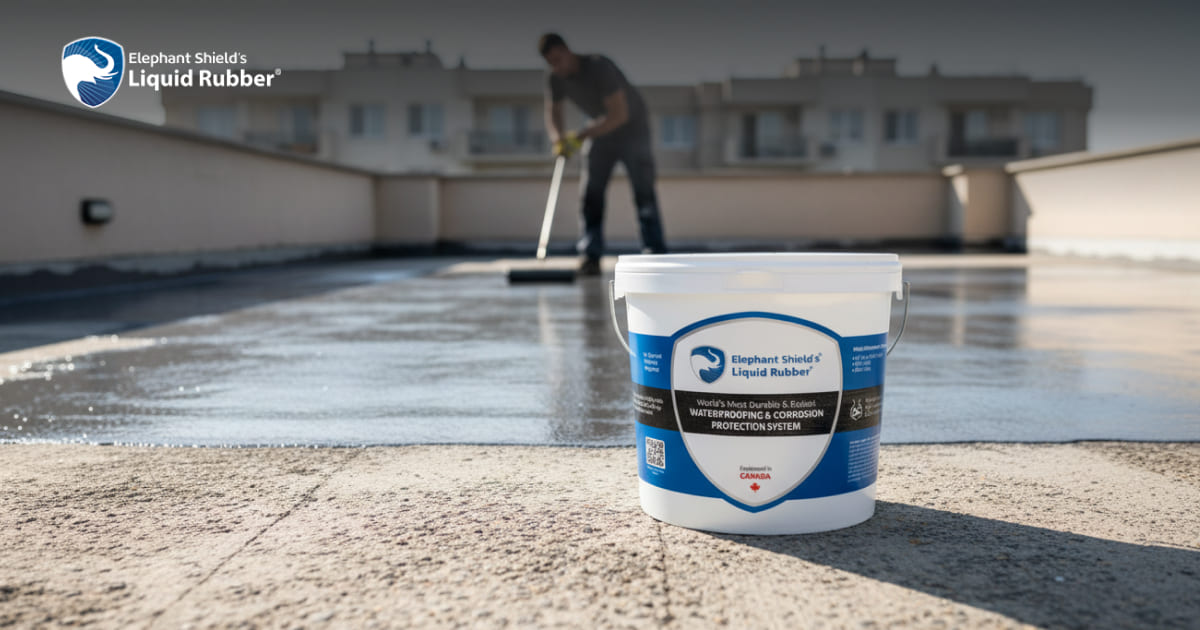
Liquid rubber waterproofing is a seamless, flexible waterproof membrane that forms once the coating dries.
Unlike traditional waterproofing materials, liquid rubber creates a continuous protective layer that prevents water from penetrating the surface.
This makes it highly effective for areas that frequently face water exposure, such as:
Many waterproofing products use liquid rubber technology, including Elephant Shield Liquid Rubber, which adheres well to different construction materials like:
Because of its strong adhesion and flexibility, liquid rubber is widely used in modern waterproofing applications.
Liquid rubber provides strong protection that helps prevent leaks and water seepage. It is also extremely durable and can last for many years when applied correctly.
Some common areas where liquid rubber waterproofing is used include:
Because of these advantages, liquid membrane waterproofing systems are becoming increasingly popular in residential as well as commercial construction.
Today, more people prefer liquid waterproofing systems because they are simple to apply and offer long-lasting performance.
Modern waterproofing coatings are designed to expand and contract with temperature changes. This flexibility allows the coating to withstand structural movement without cracking.
Key Reasons People Prefer Liquid Waterproofing
Thanks to modern technology, products like Elephant Shield Liquid Rubber provide advanced protection against:
Liquid rubber waterproofing offers several important benefits for buildings and structures.
1. Strong Protection Against Water Damage
The biggest advantage is its ability to stop water from entering the structure.
This prevents issues like:
2. Effective Roof and Balcony Protection
Liquid rubber coatings create a protective barrier that prevents rainwater from entering:
This makes them ideal roof waterproofing coatings.
3. Protection From Moisture Damage
Moisture can slowly damage building materials over time. Liquid rubber helps protect surfaces from long-term moisture exposure.
4. Excellent Crack Bridging Ability
Roofs and terraces often develop cracks due to:
Liquid rubber is extremely flexible and can bridge small cracks without breaking.
For larger cracks, surfaces can be repaired using:
Once repaired, liquid rubber membranes can seal the surface effectively.
Liquid rubber coatings also act as protective seals that prevent moisture from entering concrete surfaces.
This protection helps reduce:
If applied correctly, liquid rubber waterproofing can extend the life of roofs and terraces by several years.
Liquid waterproofing systems are widely used in various types of construction projects.
Residential Applications
Commercial Applications
Industrial Applications
Liquid rubber coatings are also used for:
These coatings prevent:
To achieve the best results, waterproofing must be applied carefully using the correct process.
1. Surface Preparation
Proper surface preparation is the most important step.
Before applying liquid rubber:
This helps the waterproof membrane adhere properly to the surface.
2. Priming the Surface
Applying a primer improves coating adhesion.
A multi-purpose rubber primer is usually applied before the waterproof membrane.
Benefits of priming include:
3. Applying the Waterproofing Membrane
After priming, the liquid rubber membrane is applied.
Common application tools include:
Usually 2 to 3 layers are applied to ensure full surface coverage.
4. Curing and Final Inspection
After applying the membrane:
If required, apply an additional coating layer to ensure proper waterproof protection.
The cost of waterproofing can vary depending on several factors.
Important Cost Factors
Although liquid waterproofing systems may have a slightly higher initial cost, they usually offer better long-term performance and lower maintenance expenses.
When selecting a waterproofing solution, consider the following factors.
Important Things to Check
It is also recommended to choose products from reputable manufacturers with proven performance.
Many professionals recommend Elephant Shield Liquid Rubber because it is reliable, flexible, and easy to apply.
Even the best waterproofing system can fail if it is not applied correctly.
Avoid These Common Errors
Ensuring proper application helps maintain the long-term effectiveness of waterproofing systems.
Waterproofing plays a crucial role in protecting buildings from structural damage caused by water infiltration.
Modern liquid rubber waterproofing systems provide excellent protection because they are flexible, durable, and highly effective at preventing water penetration.
They can be used for:
When the surface is properly prepared and a high-quality product like Elephant Shield Liquid Rubber is used, buildings remain safe from water damage for many years.
Using advanced waterproof coatings and flexible waterproofing membranes ensures long-lasting protection and improved building durability.

Waterproofing Specialist
Terrace waterproofing solutions protect roofs from water damage. Without proper waterproofing, rainwater can penetrate the concrete, leading to cracks, damp ceilings, and mold growth. Modern liquid membranes create a protective barrier that prevents leaks and extends the lifespan of buildings.
Yes, liquid rubber coatings are highly effective for terrace waterproofing because they are: Flexible Seamless Easy to apply They work well on surfaces like concrete, metal, and tiles. Professional liquid waterproofing can last 8 to 15 years when applied correctly using high-quality products.
Liquid rubber waterproofing forms a seamless protective layer that blocks water and seals the surface. This continuous coating provides full coverage and prevents moisture from entering the structure.
Terrace waterproofing costs depend on several factors such as: Roof size Surface condition Material quality Application method Although liquid waterproofing systems may have higher upfront costs, they generally offer better durability and lower maintenance costs.
Yes, liquid rubber coatings are highly effective for terrace waterproofing because they are: Flexible Seamless Easy to apply They work well on surfaces like concrete, metal, and tiles. Professional liquid waterproofing can last 8 to 15 years when applied correctly using high-quality products.